Ethiopia is witnessing a transformative phase in its startup ecosystem, underscored by a burgeoning array of innovative ventures. From taxi-hailing applications to digital payment platforms, these startups are revolutionizing industries and propelling economic expansion. This dynamic growth trajectory is bolstered by a youthful demographic, an expanding middle class, and increasingly accessible technology.
Historically, Ethiopia’s startup environment has grappled with restrictive regulatory frameworks and administrative complexities. However, a shift is underway. In April 2024, the Ethiopian government introduced significant policy reforms aimed at nurturing the startup landscape. Key measures include the elimination of the 30% capital gains tax on share transfers, permissions for startups to retain earnings from foreign currency service exports, and the introduction of tax incentives and holidays. These reforms are monumental, laying a robust foundation for startups and paving the way for future growth and international competitiveness.
Despite these positive developments, Ethiopian startups continue to face substantial obstacles, primarily in fundraising and access to capital. While Ethiopia stands as the largest economy in the region, it has attracted merely 6% of East Africa's total venture capital funding amounting to $5.5 billion over the last decade. In stark contrast, Kenya dominates the investment landscape with 69% of the funding transactions, followed by Uganda. This disparity highlights a critical gap in Ethiopia's ability to draw significant venture capital.
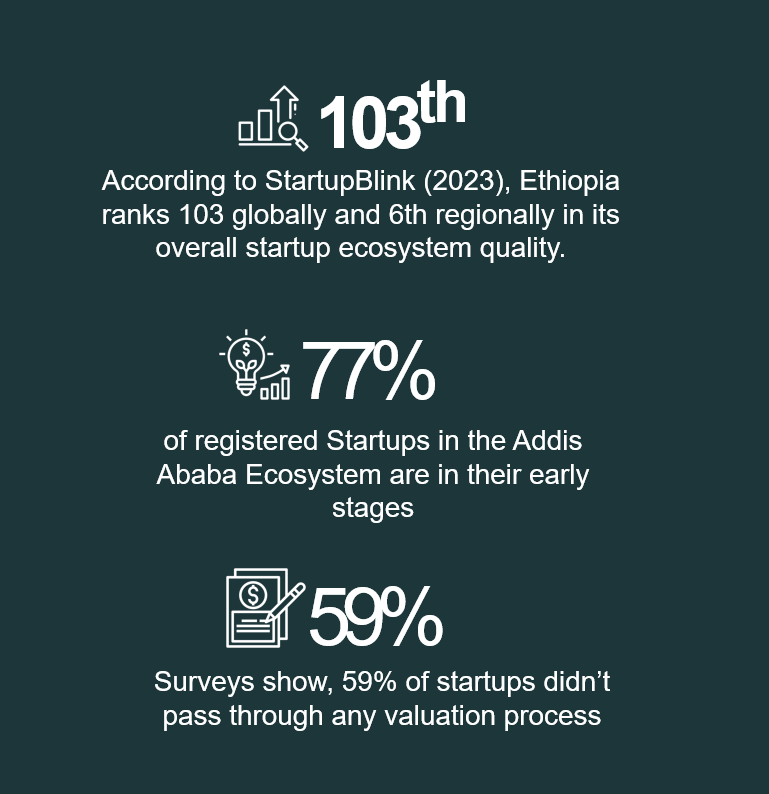
A major impediment for Ethiopian startups is the absence of robust valuation and due diligence mechanisms. A 2023 survey revealed that 59% of Ethiopian startups had not undergone any formal valuation process. This lack of essential services not only diminishes their attractiveness to investors but also stymies their growth and sustainable development prospects.
Recognizing this gap, Growth Capital Analytics (GCA) has introduced an innovative due diligence and valuation framework, specifically tailored to Ethiopia’s unique market conditions.
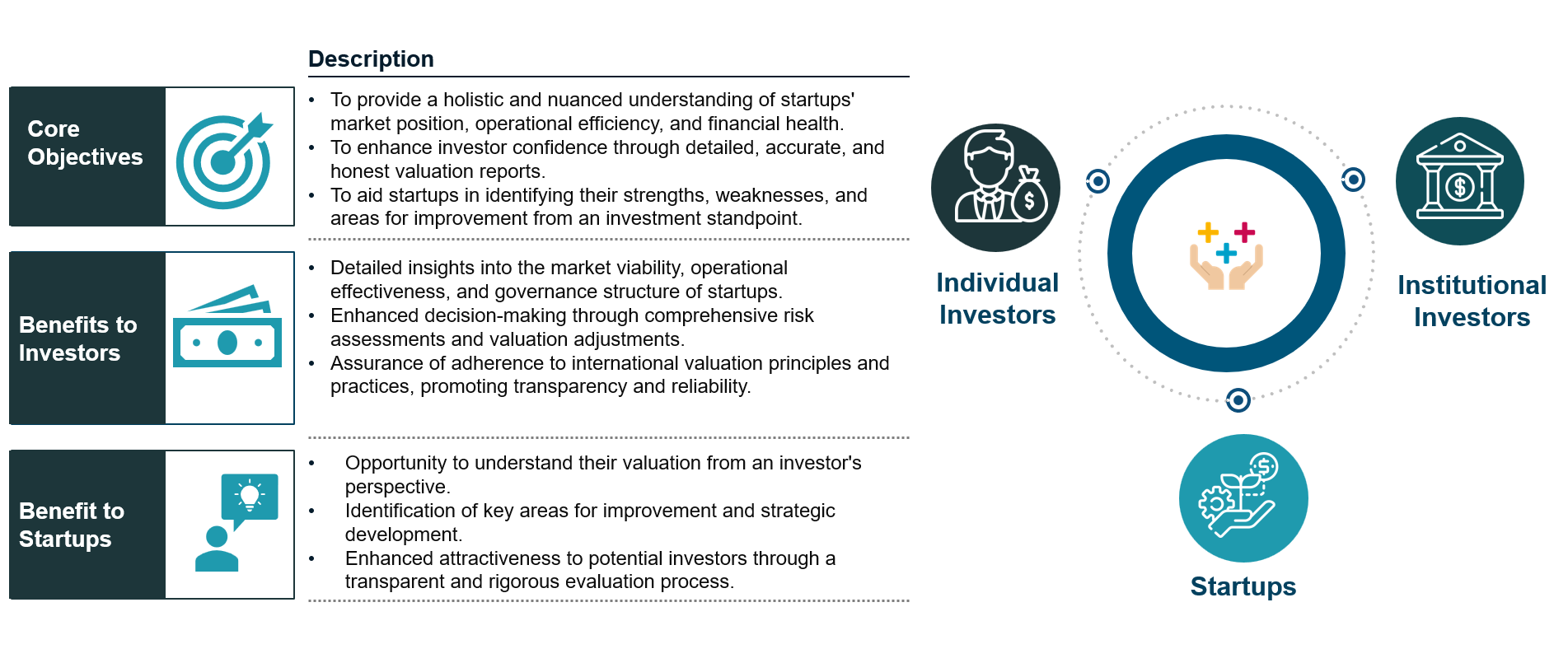
GCA’s framework is a pioneering approach that integrates both quantitative and qualitative assessments, providing a comprehensive evaluation from financial, economic, and industry perspectives. This methodology allows for a nuanced understanding of a startup’s market opportunities, growth potential, and overall financial health. Employing globally benchmarked methods such as the Venture Capital Method, Berkus Method, and Discounted Cash Flow among others, the framework is designed to overcome the challenges posed by sparse data on early-stage startups.
The implementation of GCA’s due diligence and valuation framework marks a significant advancement in financial analysis for Ethiopian startups. By offering a standardized yet flexible evaluation method, it not only enhances the startups' understanding of their own strengths and weaknesses but also boosts investor confidence. This leads to more informed strategic decisions, optimized investment strategies, and ultimately, a more vibrant entrepreneurial ecosystem.
As we launch this comprehensive framework, GCA is set to redefine the financial analysis and valuation landscape for startups in Ethiopia. By fostering informed decision-making and enhancing investment transparency, we are committed to propelling the growth of Ethiopia's startup ecosystem. We invite all stakeholders to engage with Growth Capital Analytics and leverage our expertise to navigate the complexities of startup valuation and strategic investment planning. Please refer to the attached document to learn more about our due diligence and valuation framework.