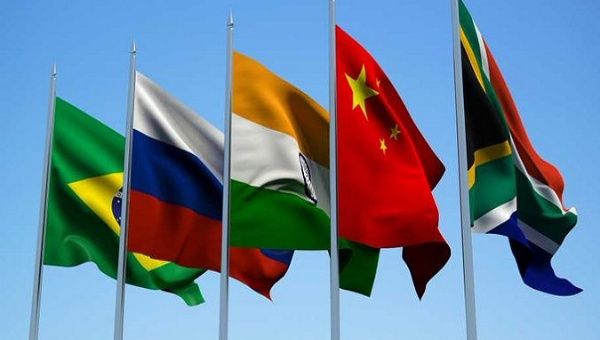
In an unexpected strategic gambit, Ethiopia has declared its aim to join the BRICS coalition - an influential alliance comprising Brazil, Russia, India, China, and South Africa. Announced with confidence by the Ministry of Foreign Affairs, this aspiration appears audacious in the face of Ethiopia's current challenges including heightened diplomatic pressure from the West, internal instability, and climate shocks. Nevertheless, this initiative aligns with the nation's ambition to bolster its diplomatic influence and economy by forging relationships with major global partners.
Seeking BRICS membership represents a strategic move to enhance Ethiopia's economic trajectory through robust trade connections, investments, and multilateral cooperation and counterbalance what has been often considered by the government undue diplomatic pressure from the West. Yet, this journey will demand careful negotiations to exploit the opportunities and manage the risks. Policymakers and businesses must navigate these complexities with discernment, considering the broader implications of Ethiopia joining BRICS.
In this week's insight, we delve into Ethiopia's BRICS pursuit, discussing the potential impacts and the strategic shifts this decision may trigger.
The BRICS Allure: An Alternative Global Order
Developing nations have been increasingly clamoring for reform, challenging the enduring Western-led, US-dominated economic and political structure. This call for a more inclusive global financial and trade architecture has led to the emergence of BRICS as a compelling bloc. The coalition offers an alternative order, a counterbalance to traditional hegemony with the potential to reshape the international economic dynamics and rules-based order in the years to come.
BRICS, commanding 40% of the global population, is an economic titan with enormous potential. Countries such as Iran, Argentina, Saudi Arabia, Turkey, and Egypt are displaying an interest in joining this influential bloc, signaling a shift in the global power equilibrium. This focus on BRICS has transcended regional boundaries and has become a topic of global intrigue.
The foreign ministers of the BRICS nations are navigating the intricate task of planning potential expansion strategies. Given the burgeoning interest from 19 nations, a comprehensive framework is under development to delineate membership criteria and standards. This venture's outcome is expected to be announced during the BRICS Summit in Johannesburg in August. The bloc is considering a gradual introduction of new members, mindful of avoiding abrupt expansion that could disrupt existing group dynamics.
The prospective expansion of BRICS represents a significant development with the potential to influence international economics and geopolitics. With the second-largest population in Africa, a fast-growing economy that has tripled just in one decade (EFY 2012/13 -2021/22), and the diplomatic capital of Africa, Ethiopia could offer considerable value to the BRICS coalition and garner increased support from the African continent.
Whether Ethiopia will secure membership remains to be seen, but the expression of interest itself offers valuable insight into its foreign policy alignment and future ambitions.
BRICS Membership: A Double-Edged Sword
Ethiopia's potential BRICS membership could yield substantial economic and political returns. As part of this influential bloc, Ethiopia could actively participate in devising a novel international financial, trade, and governance framework. Enhanced BRICS engagement could reinforce the country's global standing and domestic prosperity.
Economically, membership could open new markets for Ethiopia's exports and stimulate foreign direct investment (FDI), fueling job creation, technology transfer, and infrastructure development.
Politically, Ethiopia's inclusion in BRICS could trigger a profound realignment of global alliances and geopolitical dynamics. However, Ethiopia must balance these dynamics, promoting national interests while maximizing international partnerships. Ethiopia's entry could also assist in much-needed debt restructuring, given that China, a leading economy in BRICS, holds 31% of Ethiopia’s foreign debt amounting to around 13 billion USD.
Joining BRICS also presents challenges. Integration could necessitate domestic policy adjustments and reforms to align with BRICS standards. This may demand comprehensive reforms aimed at improving competitiveness, fostering a conducive business environment, and strengthening governance mechanisms.
The BRICS Pathway: Navigating Potential Pitfalls
Ethiopia's BRICS journey is not without potential obstacles. The nation must grapple with economic disparities, withstand political scrutiny, and potentially face decreased development assistance.
This realignment might exacerbate tensions between Ethiopia and the West. Ethiopia remains highly reliant on Western aid, and Western nations may leverage their assistance to maintain some level of alignment with Ethiopia. Furthermore, BRICS nations have faced criticism over political structures, raising concerns about issues such as human rights and democracy that Ethiopia may have to address.
Lastly, the economy of Ethiopia is less than half the size of South Africa, the smallest economy within the BRICS nations. This significant economic disparity could potentially limit Ethiopia's influence within this bloc. Furthermore, it presents a potential risk as Ethiopia may feel obligated to align with the group's interests, even when the risks of such commitments may outweigh the potential benefits.
In conclusion, Ethiopia's BRICS aspiration represents a strategic yet risky leap toward a new global economic order. Navigating this journey astutely could position Ethiopia as a key player in shaping the global economic landscape. Despite the uncertainty ahead, the transformative and far-reaching prospects of Ethiopia's audacious bid are undeniable. The outcome of this endeavor will likely be an influential chapter in the narrative of the global economic order.